
A Growing Crisis and Innovative Solution
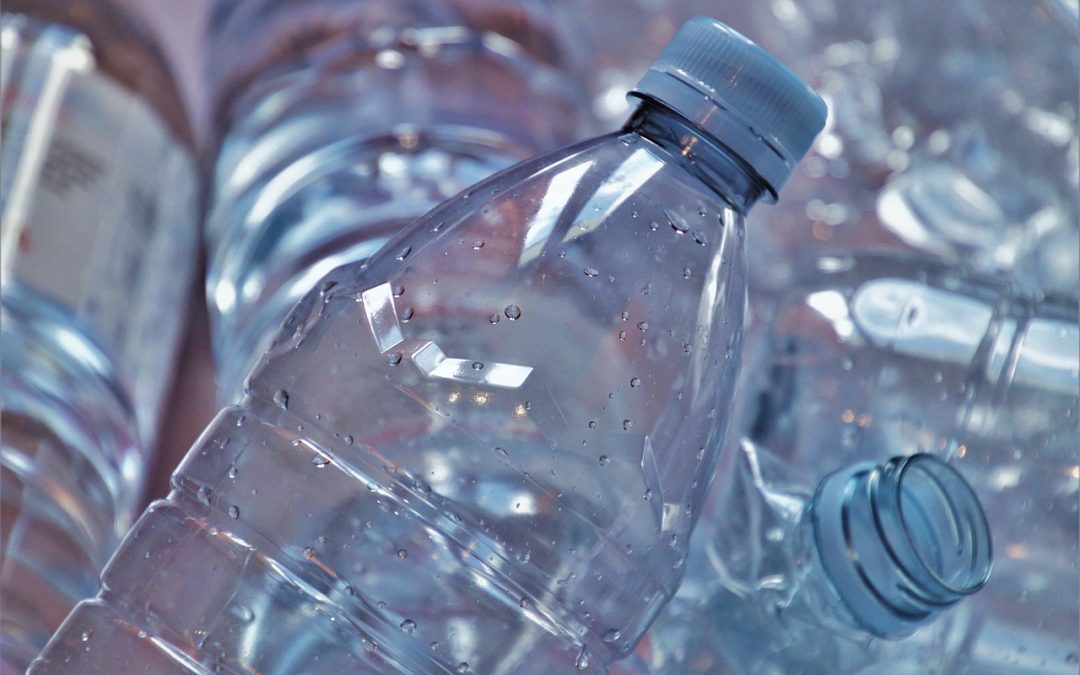
Plastic production has become a defining feature of the modern world. Unfortunately, the same qualities that make plastics so versatile and durable have created an unprecedented environmental and health crisis. With millions of tons of plastic being produced and disposed of annually, the accumulation of plastic waste has reached staggering proportions—and this problem extends far beyond the visible litter in our oceans and landscapes. Plastics are often one-time-use products that cause tons of trash to deteriorate in our environment.
The Hidden Dangers of Plastic Nanoparticles
Most concerning is that plastic waste doesn’t just stay intact; over time, plastics break down into minuscule particles. These tiny fragments, chains of carbon molecules known as nanoparticles, are small enough to permeate plant and animal cells. Polyethylene, the most widely produced and discarded type of plastic, represents the largest threat due to its ubiquity and chemical structure. Derived from ethylene gas, polyethylene breaks down into carbon chains similar in size to essential biological molecules such as amino acids, fatty acids, and saccharides. However, unlike natural nutrients, these plastic nanoparticles carry a free radical charge, wreaking havoc on cellular health. Plastic’s small carbon breakdown fragments mimic nutrient molecules and are taken into cellular synthesis but do not function properly. This results in malfunction, and symptoms of old or totally new diseases or syndromes are coming into existence.
Once inside the cell, these nanoparticles can mimic important cellular messengers, including hormones and cytokine-like (cell activators) molecules, potentially disrupting metabolic pathways. Research has indicated that this interference can trigger various adverse biological effects, from oxidative stress to endocrine disruption. For plants and animals, including humans, the long-term impact of these nanoparticles on cellular function is only beginning to be understood. The findings are growing, and the health alterations are alarming.
NEW EDEN: A Natural Defense Against Plastic Nanoparticles
Considering these risks, the dietary supplement NEW EDEN has emerged as a promising solution. This supplement is formulated with a unique blend of nutrients specifically designed to bind with and inactivate plastic-derived particles. By effectively neutralizing these harmful carbon chains, NEW EDEN may play a critical role in helping the body manage and mitigate the presence of plastic nanoparticles. The nutrients in NEWEDEN have ion charges that bind to the charges on nano plastic particles and inactivate the nanoparticle, which is a foreign free radical. Free radicals binding to cell membranes alters function, and the worst effect can be binding to DNA chains and changing the information in the nucleic acid code of genes. This change is a mutation, and the worst impact is causing some malignancy.
The nutrients in NEW EDEN do not just block the harmful effects of plastic particles; they also support the body’s antioxidant defenses, reducing the oxidative damage these nanoparticles can cause. Given the near-ubiquitous presence of plastic residues in modern environments and within living cells, NEW EDEN represents a proactive approach to a pervasive problem.
The Ongoing Political and Public Relations Debate
As awareness grows about the dangers of plastic pollution, the debate between the plastic industry and environmental health advocates has intensified. On one side, the plastic manufacturing industry defends the necessity of plastics in modern society and emphasizes recycling research efforts, even as the rate of plastic recycling remains dismally low. On the other hand, environmental and health experts argue for stricter regulations and the development of alternatives that minimize environmental impact. The clash has led to a public relations battle, with advocates raising awareness about the dangers of plastic nanoparticles to counter industry efforts to downplay the issue.
The Path Forward: Awareness, Advocacy, and Action
Addressing the pervasive issue of plastic pollution requires a multi-faceted approach. While government action and industry accountability are crucial, individual choices and innovative solutions like NEW EDEN offer ways to protect human health against plastic-induced damage. As research continues to shed light on the complex interactions between plastic nanoparticles and biological systems, it’s clear that awareness and informed choices can empower individuals to reduce their exposure to these potentially harmful particles. Many people are converting to glass and metal containers in their kitchens and using aluminum foil to cover food instead of thin, transparent plastic wrap.
As we navigate this ongoing crisis, it is crucial to support solutions that protect our health and environment from the adverse effects of plastic pollution.
Recent Comments