
The Introduction to Aloe Acemannan
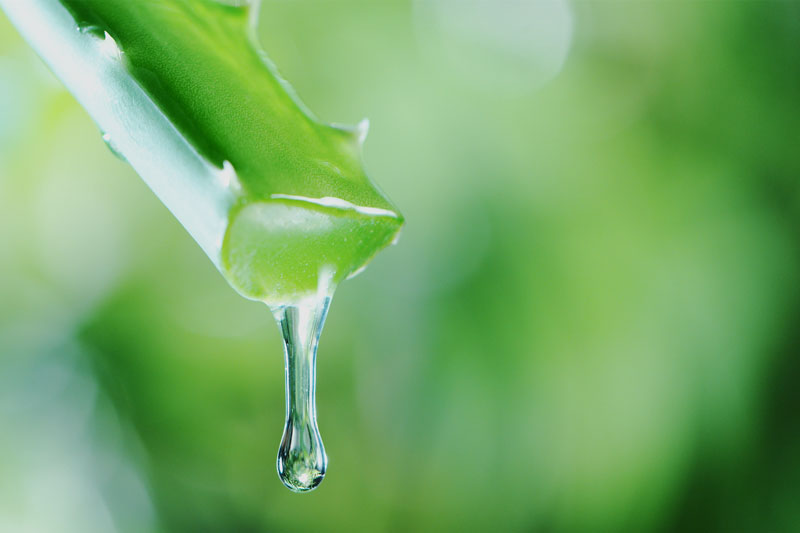
In the early 1980s, Carrington Laboratories Inc. raised $20 million to develop a drug from an unknown component in aloe leaf gel, identified as acetylated mannose (acemannan). This substance has a long history in Folk Medicine and showed no toxicity during research conducted by ten academic institutions, leading to significant knowledge. However, the FDA terminated the new drug application due to the unexpected lack of toxicity and health improvement.
H.R. McDaniel, M.D., a medical consultant involved in this research, noted that under new legislation passed in 1994, acemannan was classified as a dietary supplement. While the law’s preamble underscores the importance of optimal nutrition for health, it is not part of the legislation. The law states that only FDA-approved drugs can treat health conditions. This distinction is significant because the USA has the highest healthcare costs and ranks 35th in health quality among nations. Acemannan and other nutrients play a vital role in cellular synthesis, supporting health through a diverse diet and supplements, which facilitate the body’s natural functions as coded in DNA.

Part 1
(time: 31:47)

Part 2
(time: 29:36)

Part 3
(time: 25:35)

Part 4
(time: 20:42)

Part 5
(time: 20:26)
Recent Comments