
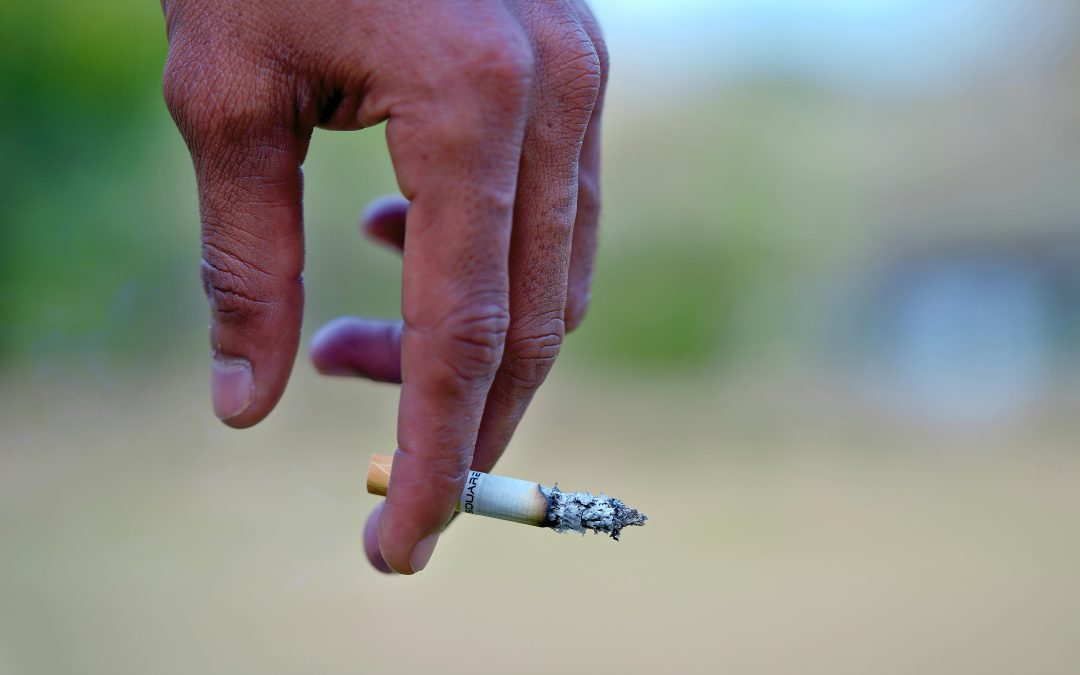
The Hidden Dangers of Secondhand Smoke
Secondhand smoke is more than just an annoyance for non-smoking individuals. It is a severe health hazard. This type of smoke combines the smoke exhaled by a smoker and the smoke emitted from the burning end of a cigarette, pipe, or cigar. It contains over 7,000 chemicals, with hundreds known to be toxic and around 70 that are proven to cause cancer. Benzine is the number one vapor that has been proven to incite squamous cell cancer. Unfortunately, this poisonous mix of volatilized chemicals affects anyone nearby, especially those who may not have a choice to avoid it, such as children, partners, and coworkers. Inhaled volatilized vapors damage the body’s cells. Burning of substances, not only tobacco leaves but especially hydrocarbons from industrial factories and refinery-producing oil products, irritates the lungs. They are carried in the blood to the liver, bone marrow, and fat stores and damage other organ cells. Free radicals in such vapors attach to cell membranes, altering their function, but also bind to DNA, which alters genetic information, leading to mutations. The worst mutations cause malignancies not only in the lungs but also in distant organ cells.
Immediate Health Effects
For non-smokers, even a brief encounter with secondhand smoke can lead to irritated eyes, throat discomfort, and coughing. For those with asthma, allergies, or other respiratory issues, these effects can be amplified, sometimes triggering asthma attacks or severe respiratory symptoms. Over time, repeated exposure increases the risk of developing chronic health conditions, especially for those with pre-existing vulnerabilities, the very young and aged persons.
Long-Term Health Risks
Long-term exposure is even more concerning. Studies have shown that regular exposure to secondhand smoke increases the likelihood of developing heart disease, stroke, and various cancers. The American Heart Association reports that non-smokers exposed to secondhand smoke have a 25-30% higher chance of heart disease. A European study estimates secondhand smoke increases pancreatic cancer incidence by 50%. The impact is especially problematic in indoor spaces or cars, where smoke can linger and concentrate over time. Moreover, it can cause premature death in adults who have never smoked and leads to other significant health issues, from reduced lung function to a greater risk of infections. Many sources of damage from secondhand smoke have a low incidence. However, local airway and lung tissue irritation and, developing chronic infections and scarring of the lungs, chronic obstructive pulmonary disease (COPD) are highly common incidences of maladies caused by the chemical vapors in tobacco smoke.
Impact on Children
Children exposed to secondhand smoke are particularly at risk, as their developing bodies are more susceptible to toxins. They are at a greater risk for young couples coping with sudden infant death syndrome (SIDS), lung infections, and ear infections, and can even experience slowed lung growth. Studies have found that children who grow up around secondhand smoke also have a higher risk of developing asthma or other chronic respiratory conditions later in life.
What You Can Do
The best way to reduce the harm of secondhand smoke is by creating smoke-free environments at home, in vehicles, and in workplaces. If you’re in public spaces, seek out non-smoking areas and encourage policies that keep shared spaces smoke-free. Families can also benefit from establishing boundaries to ensure a safe environment for everyone, particularly children and the elderly. Every citizen should be for and promote clean air, clean water, and food free of toxins. Support and influence for places of employment and elected officials, locally and in federal positions committed to these healthy principles, should be high on one’s selection process.
Creating a Healthier Community Together
Non-smokers must raise awareness about the dangers of secondhand smoke and advocate for smoke-free spaces. This can help protect the health of our loved ones and those around us. Every small action creates healthier, cleaner air and supports a more vibrant, smoke-free community.
Remember, secondhand smoke only takes a little exposure to begin affecting health. People working together are a powerful force to reduce the risks and create a safer environment for everyone. Fortunately, knowledge about the severe hazards of smoking is significantly reducing the number of individuals who choose to smoke tobacco, and that is reducing secondhand smoke. More comprehensive nutrition is provided by adding the NEW EDEN dietary supplement to the diet, which provides a person’s cells with nutrient molecules that are used to counteract and cope with the potential damage and infections that are associated with exposure to secondhand smoke.
Recent Comments